


Page 303 - ISC PROCEEDINGS 21.4
P. 303
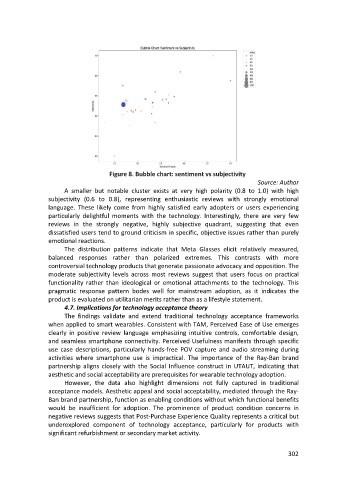
Figure 8. Bubble chart: sentiment vs subjectivity
                                                                                            Source: Author
                        A smaller but notable cluster exists at very high polarity (0.8 to 1.0) with high
                  subjectivity (0.6 to 0.8), representing enthusiastic reviews with strongly emotional
                  language. These likely come from highly satisfied early adopters or users experiencing
                  particularly delightful moments with the technology. Interestingly, there are very few
                  reviews in the strongly negative, highly subjective quadrant, suggesting that even
                  dissatisfied users tend to ground criticism in specific, objective issues rather than purely
                  emotional reactions.
                        The distribution patterns indicate that Meta Glasses elicit relatively measured,
                  balanced responses rather than polarized extremes. This contrasts with more
                  controversial technology products that generate passionate advocacy and opposition. The
                  moderate subjectivity levels across most reviews suggest that users focus on practical
                  functionality rather than ideological or emotional attachments to the technology. This
                  pragmatic response pattern bodes well for mainstream adoption, as it indicates the
                  product is evaluated on utilitarian merits rather than as a lifestyle statement.
                        4.7. Implications for technology acceptance theory
                        The findings validate and extend traditional technology acceptance frameworks
                  when applied to smart wearables. Consistent with TAM, Perceived Ease of Use emerges
                  clearly in positive review language emphasizing intuitive controls, comfortable design,
                  and seamless smartphone connectivity. Perceived Usefulness manifests through specific
                  use case descriptions, particularly hands-free POV capture and audio streaming during
                  activities where smartphone use is impractical. The importance of the Ray-Ban brand
                  partnership aligns closely with the Social Influence construct in UTAUT, indicating that
                  aesthetic and social acceptability are prerequisites for wearable technology adoption.
                        However, the data also highlight dimensions not fully captured in traditional
                  acceptance models. Aesthetic appeal and social acceptability, mediated through the Ray-
                  Ban brand partnership, function as enabling conditions without which functional benefits
                  would be insufficient for adoption. The prominence of product condition concerns in
                  negative reviews suggests that Post-Purchase Experience Quality represents a critical but
                  underexplored component of technology acceptance, particularly for products with
                  significant refurbishment or secondary market activity.


                                                                                                      302

