


Page 189 - ISC PROCEEDINGS 21.4
P. 189
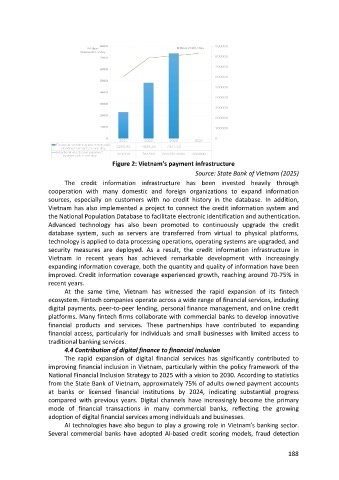
Figure 2: Vietnam’s payment infrastructure
                                                                      Source: State Bank of Vietnam (2025)
                        The credit information infrastructure has been invested heavily through
                  cooperation with many domestic and foreign organizations to expand information
                  sources, especially on customers with no credit history in the database. In addition,
                  Vietnam has also implemented a project to connect the credit information system and
                  the National Population Database to facilitate electronic identification and authentication.
                  Advanced technology has also been promoted to continuously upgrade the credit
                  database system, such as servers are transferred from virtual to physical platforms,
                  technology is applied to data processing operations, operating systems are upgraded, and
                  security measures are deployed. As a result, the credit information infrastructure in
                  Vietnam in recent years has achieved remarkable development with increasingly
                  expanding information coverage, both the quantity and quality of information have been
                  improved. Credit information coverage experienced growth, reaching around 70-75% in
                  recent years.
                        At the same time, Vietnam has witnessed the rapid expansion of its fintech
                  ecosystem. Fintech companies operate across a wide range of financial services, including
                  digital payments, peer-to-peer lending, personal finance management, and online credit
                  platforms. Many fintech firms collaborate with commercial banks to develop innovative
                  financial products and services. These partnerships have contributed to expanding
                  financial access, particularly for individuals and small businesses with limited access to
                  traditional banking services.
                        4.4 Contribution of digital finance to financial inclusion
                        The rapid expansion of digital financial services has significantly contributed to
                  improving financial inclusion in Vietnam, particularly within the policy framework of the
                  National Financial Inclusion Strategy to 2025 with a vision to 2030. According to statistics
                  from the State Bank of Vietnam, approximately 75% of adults owned payment accounts
                  at banks or licensed financial institutions by 2024, indicating substantial progress
                  compared with previous years. Digital channels have increasingly become the primary
                  mode of financial transactions in many commercial banks, reflecting the growing
                  adoption of digital financial services among individuals and businesses.
                        AI technologies have also begun to play a growing role in Vietnam’s banking sector.
                  Several commercial banks have adopted AI-based credit scoring models, fraud detection


                                                                                                      188

