


Page 186 - ISC PROCEEDINGS 21.4
P. 186
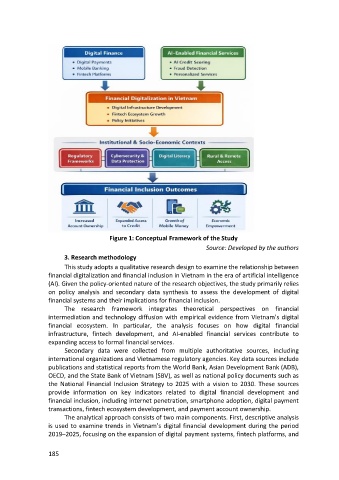
Figure 1: Conceptual Framework of the Study
                                                                         Source: Developed by the authors
                        3. Research methodology

                        This study adopts a qualitative research design to examine the relationship between
                  financial digitalization and financial inclusion in Vietnam in the era of artificial intelligence
                  (AI). Given the policy-oriented nature of the research objectives, the study primarily relies
                  on policy analysis and secondary data synthesis to assess the development of digital
                  financial systems and their implications for financial inclusion.
                        The research framework integrates theoretical perspectives on financial
                  intermediation and technology diffusion with empirical evidence from Vietnam’s digital
                  financial ecosystem. In particular, the analysis focuses on how digital financial
                  infrastructure, fintech development, and AI-enabled financial services contribute to
                  expanding access to formal financial services.
                        Secondary data were collected from multiple authoritative sources, including
                  international organizations and Vietnamese regulatory agencies. Key data sources include
                  publications and statistical reports from the World Bank, Asian Development Bank (ADB),
                  OECD, and the State Bank of Vietnam (SBV), as well as national policy documents such as
                  the National Financial Inclusion Strategy to 2025 with a vision to 2030. These sources
                  provide information on key indicators related to digital financial development and
                  financial inclusion, including internet penetration, smartphone adoption, digital payment
                  transactions, fintech ecosystem development, and payment account ownership.
                        The analytical approach consists of two main components. First, descriptive analysis
                  is used to examine trends in Vietnam’s digital financial development during the period
                  2019–2025, focusing on the expansion of digital payment systems, fintech platforms, and


                  185

