


Page 291 - ISC PROCEEDINGS 21.4
P. 291
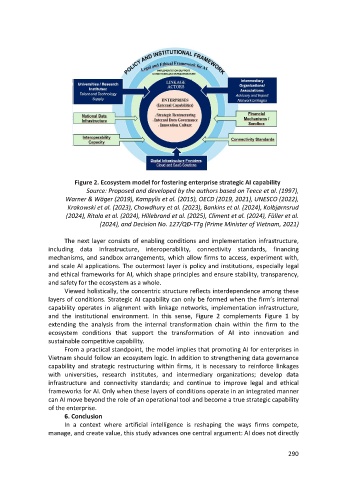
Figure 2. Ecosystem model for fostering enterprise strategic AI capability
                               Source: Proposed and developed by the authors based on Teece et al. (1997),
                        Warner & Wäger (2019), Kampylis et al. (2015), OECD (2019, 2021), UNESCO (2022),
                         Krakowski et al. (2023), Chowdhury et al. (2023), Bankins et al. (2024), Kolbjørnsrud
                        (2024), Ritala et al. (2024), Hillebrand et al. (2025), Climent et al. (2024), Füller et al.
                                    (2024), and Decision No. 127/QĐ-TTg (Prime Minister of Vietnam, 2021)


                        The next layer consists of enabling conditions and implementation infrastructure,
                  including data infrastructure, interoperability, connectivity standards, financing
                  mechanisms, and sandbox arrangements, which allow firms to access, experiment with,
                  and scale AI applications. The outermost layer is policy and institutions, especially legal
                  and ethical frameworks for AI, which shape principles and ensure stability, transparency,
                  and safety for the ecosystem as a whole.
                        Viewed holistically, the concentric structure reflects interdependence among these
                  layers of conditions. Strategic AI capability can only be formed when the firm’s internal
                  capability operates in alignment with linkage networks, implementation infrastructure,
                  and the institutional environment. In this sense, Figure 2 complements Figure 1 by
                  extending the analysis from the internal transformation chain within the firm to the
                  ecosystem conditions that support the transformation of AI into innovation and
                  sustainable competitive capability.
                        From a practical standpoint, the model implies that promoting AI for enterprises in
                  Vietnam should follow an ecosystem logic. In addition to strengthening data governance
                  capability and strategic restructuring within firms, it is necessary to reinforce linkages
                  with universities, research institutes, and intermediary organizations; develop data
                  infrastructure and connectivity standards; and continue to improve legal and ethical
                  frameworks for AI. Only when these layers of conditions operate in an integrated manner
                  can AI move beyond the role of an operational tool and become a true strategic capability
                  of the enterprise.
                        6. Conclusion
                        In a context where artificial intelligence is reshaping the ways firms compete,
                  manage, and create value, this study advances one central argument: AI does not directly


                                                                                                      290

